Multiphysics Product Qualification
Understand how a product behaves when fluid, thermal and structural effects interact
View scope → Loading Tri-Lotus Licensing
Capabilities in computational engineering, scientific R&D, emerging technologies, invention development and digital architecture

Computational engineering
Work may combine fluid, thermal, structural, electromagnetic, circuit, battery and power-system models. Each engagement begins by fixing the technical question, available inputs, operating envelope and acceptance criteria.
Defined services
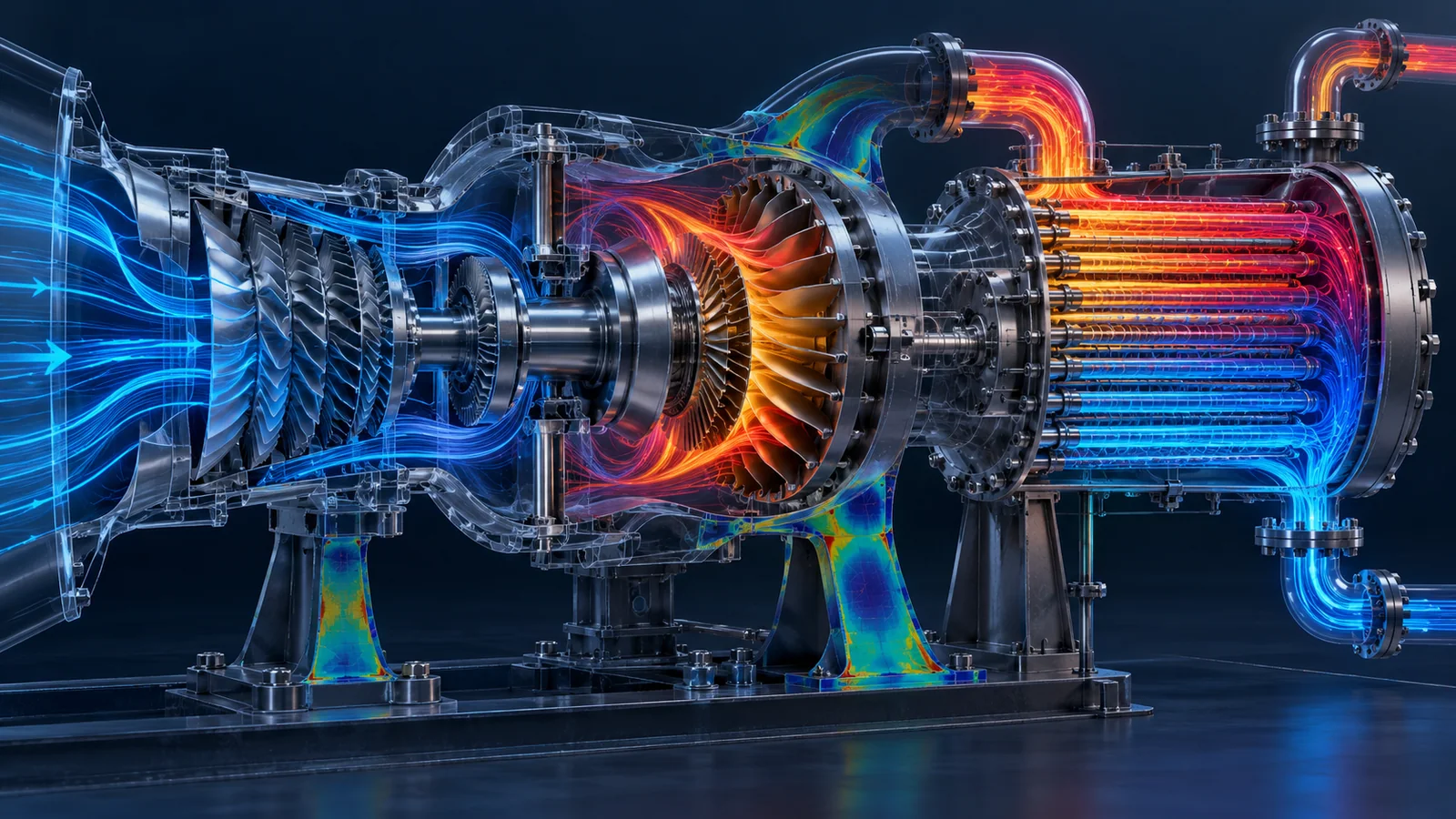
Understand how a product behaves when fluid, thermal and structural effects interact
View scope →Find where thermal or hydraulic performance is being lost, then optimise it
View scope →Reduce the experimental search space before committing laboratory and pilot resources
View scope →Size and operate storage around defined battery behaviour, project conditions and system objectives
View scope →Optimise distributed energy while respecting the electrical system within which it must operate
View scope →Find electromagnetic, signal-integrity, parasitic and thermal risks before hardware reaches production
View scope →Scientific R&D
Scientific models can reduce the search space, expose uncertainty and direct experimental effort toward the most informative next step. Computational predictions remain distinct from experimental validation.

Screening, electronic and atomistic studies, phase stability, coatings, interfaces and property-led candidate selection.
Thermodynamic, kinetic, transport and process-system analysis used to narrow experimental and operating choices.
Storage, conversion, thermal systems, electrochemistry, fuels and integrated energy questions.
Computational work for research questions in biological and molecular systems, not medical diagnosis, treatment or clinical decision-making.
Data-led models connected to physical assumptions, uncertainty and a defined scientific decision.
Problems that sit between established disciplines and require a deliberately integrated model.
Frontier research
Current areas include fusion energy, quantum science, AI research, propulsion systems, robotics and aerospace

Plasma systems, magnets, materials, thermal loads, power systems and supporting controls.
Computation, sensing, communications, devices, cryogenic systems and control interfaces.
Scientific machine learning, intelligent control and data-led discovery tied to defined technical questions.
Thermal, electric and plasma propulsion, supporting power, materials, controls and performance models.
Sensing, perception, autonomy, manipulation, mobility and operation in precise or difficult environments.
Aerodynamics, vehicle systems, spacecraft subsystems, sensing, power, communications and space-environment effects.
Inventions & licensing
Tri-Lotus works on its own R&D and with inventors, researchers, startup founders and technology users on intellectual property and new technologies. Terms and licensing structures are considered individually.
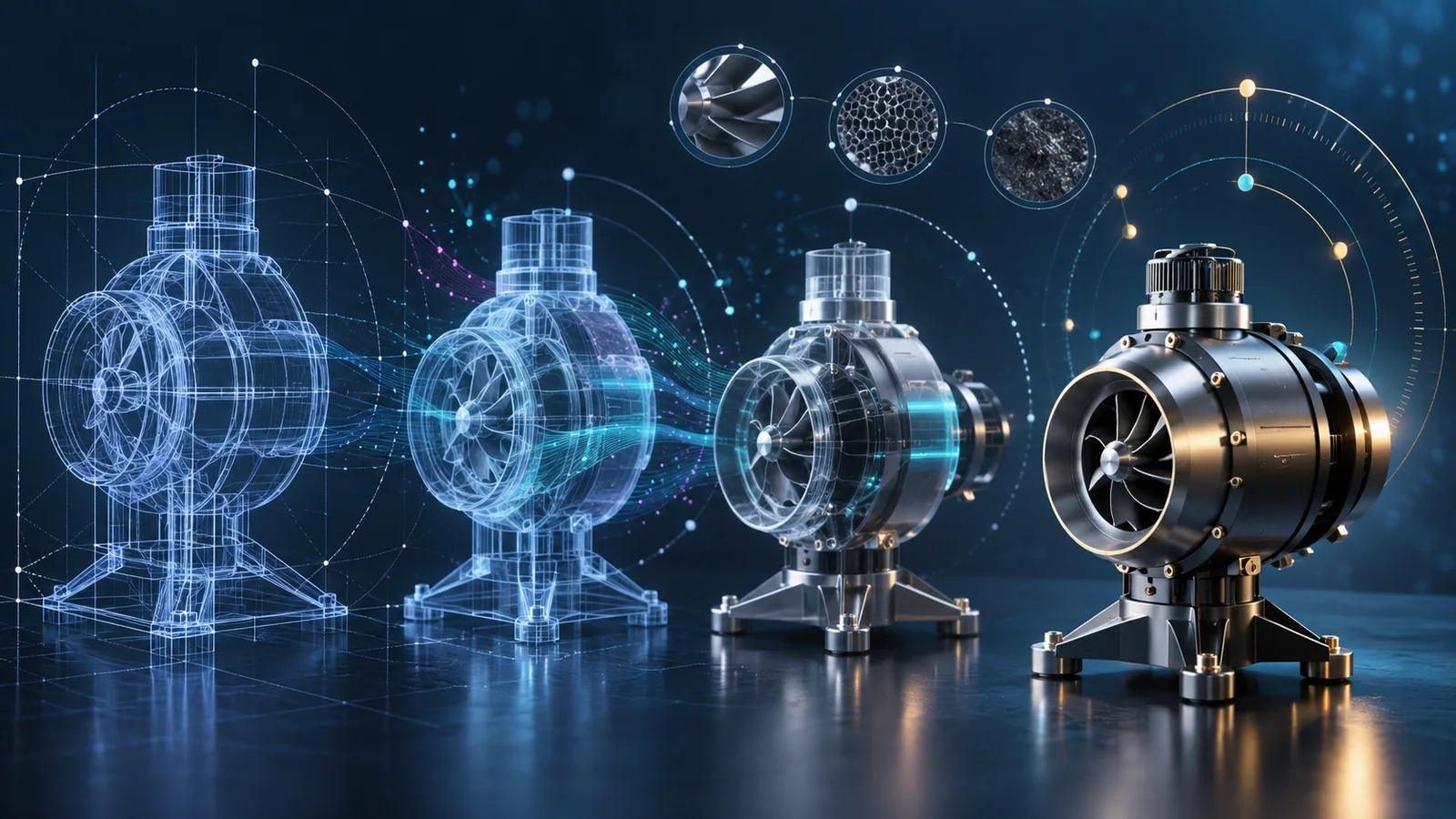
Define the technical proposition, intended use and evidence already available.
Advance the concept through analysis, modelling and structured technical work.
Build evidence appropriate to the technology’s present stage and intended decision.
Organise technical material to support appropriate intellectual-property advice and filings.
Develop a licensing structure suited to the technology, counterparty and intended use.
Digital architecture & BIM
Work may include computational design studies, BIM model development, structured information, coordination support and environmental or engineering analysis where the necessary basis is available.

Option studies and parameter-led design exploration for a defined brief.
Model development, structured information and agreed coordination outputs.
Relevant environmental or engineering analysis where inputs and boundaries can be established.
Statutory architectural services, professional seals, local approvals and construction supervision are not implied and remain with appropriately licensed professionals.
Share the objective, available information, constraints and the decision the work must support